GUIDE FOR AN IMMUNE HEALTHY 2022
- mhoeckh
- Feb 6, 2022
- 7 min read
Continued from BLOG "Holistic approach to immune health"

As previously discussed in my BLOG POST "Holistic approach to immune health" nutrition plays an essential part in optimum immune function. Besides all the important interconnections and communication between the different body systems, the immune system requires many nutrients for immune cell communication, growth and function. See next BLOG Post for recipe and food inspiration for an immune healthy 2022!
The role of macronutrients in immune health:
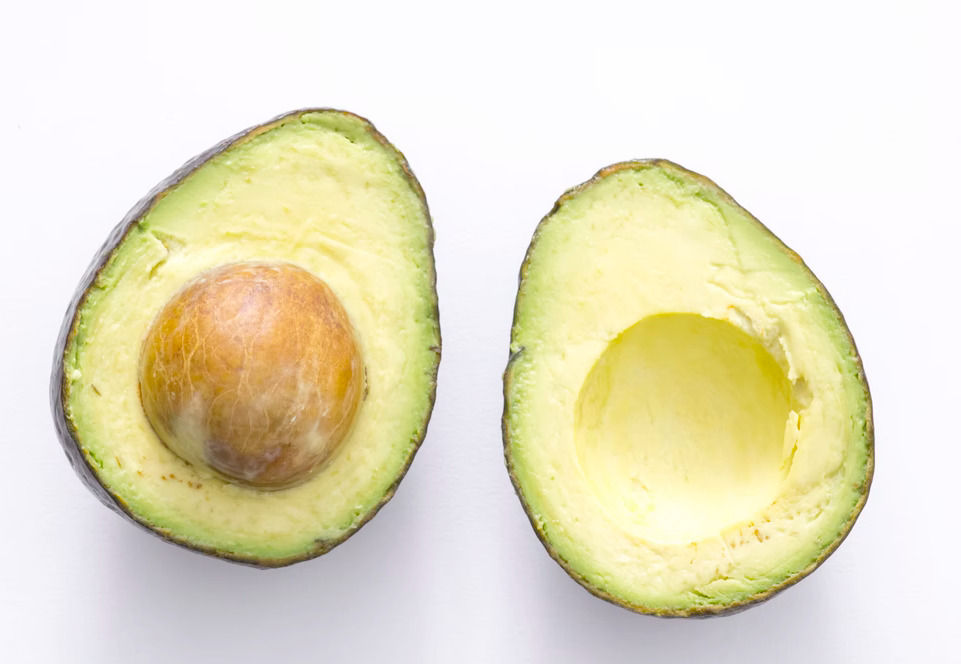
Fats:
In terms of macronutrients, it's important to choose foods rich in "healthy" fats, that contain mono- and polyunsaturated fats, rather than trans- and saturated fats. In practice, that means choosing olive oil, avocados, nuts and seeds over-processed vegetable oils and often, sadly meats. Of course, there is always a fine balance between all food groups, however, a general rule of thumb is to largely stick with the "healthy" fats listed. Especially, the omega-3 fatty acids, as I am sure you all have heard about are beneficial for health. Alongside uncountable systemic health benefits, omega 3 FAs integrate into the outer cell layer (or membrane) that determines its density, strength and also modulates cell function. Omega 3 FAs regulate the communication between immune cells, as well as the production of transmission particles (mediators), which are often involved in the initiation of inflammation reactions and pain. Therefore, obtaining adequate levels of omega 3 FAs is crucial for good immune function and communication [1].
Food sources FATS: salmon, herring, sardines, avocado, nuts and seeds, cold-pressed extra virgin olive oil, chia seeds

Protein:
The second macronutrient protein is just as crucial to overall immune function. Given, that protein supplies the body with essential amino acids, which are the subunits of the protein, that the body could not produce itself. it utilizes those amino acids as building blocks to create new tissues, repair and rebuild genetic material, produce new body own proteins, such as enzymes, antibodies and communication substances. Therefore, a lack of protein from the diet forces the body to prioritize and redistribute its resources to "essential" protein required pathways, which often leaves other body systems or functions undersupplied, which can decrease their efficacy of functionality. If the immune system receives lower levels of available amino acids or building blocks, the cells cannot produce enough structures to maintain optimal immune function [2].
Food sources PROTEIN: red meat, poultry, fish, eggs, dairy products, tofu, soybeans and products, lentils, chickpeas, whole grains

Carbs:
Carbohydrates are many sugar molecules connected together. The difference between the "good or healthy" carbs, versus the "bad or refined carbs" are the type of bonds that connect the sugar molecules. If the body can break the bonds quickly and easy, the sugar molecules are taken up into the bloodstream at a high rate and therefore spike the blood sugar levels drastically. After taking up the sugar in the blood into the cells, the blood sugar levels drop significantly again, causing our body to call out for more to stabilize the balance again. However, if the bonds between the sugar molecules are more difficult to break, it takes longer to digest and take up the released sugar. The impact is that the sugar levels don't rise too drastically and neither drop too fast, blood sugar levels, energy, concentration, mood and cravings are kept in check and are gentler for our metabolic processes inside the cell. The fast releasing sugar molecules and the blood sugar level spike negatively impact immune function, as it overwhelms our metabolic processes, which are involved in immune regulation. Sugar also tends to suppress the immune system directly by reducing a white blood cell's ability to communicate and function properly. Immunosuppressive effects are highest around 1-2h after consumption but still act up to 5h. At the same time, sugar might enable pathogens to colonize and procreate, as sugar is often the preferred fuel source (e.g fungus and candida). Slowly releasing carbs, combined with fibre on the other hand may exert an immune protective effect by optimizing metabolism, influencing protein regulation systems, regulating the nervous system (with steady energy supply to the brain tissue) and supporting healthy hormones. Furthermore, "complex" or "good" carbs also have the potential to reduce inflammation if consumed in moderation [3,4,5,6].
Food sources CARBS: whole grains, legumes, bread, potato, carrots, rice, pasta, corn, sweet potato, other vegetables
The role of micronutrients in immune health:

B-Vitamins:
Low levels of B-vitamins are associated with reduced ability of antibody function and formation, suppressed immune cell function and balance (lymphocytes, NK-cells) and imbalanced inflammation marker production. Also, the barrier function of the first line of immune defence is weakened if your B- vitamins are only available in small quantities. B-vitamins are involved in gene expression and the multiplication of genetic material, thus insufficient B-vitamins reduce the production of protein-based immune complexes and downregulate immune function. Risks for low B-vitamin levels include high stress, taking the OCP and drinking excessive alcohol
Food sources: whole grains, legumes, bread, quinoa, buckwheat, red meat and poultry, dairy products, eggs, fish, shellfish, green leafy vegetables such as kale and spinach [5,6,7].

Vitamin A:
Vitamin A impacts the immune system in multiple ways, firstly it strengthens the first line of defence by increasing the barrier function of our tissues, reducing the entry of pathogens. Secondly, Vitamin A is considered an immune-regulatory substance, as it modulates immune cell function and the production of inflammatory mediators. Furthermore, it's a potent antioxidant, which reduces the damage induced by free radical oxygen species, that are byproducts of metabolic processes and inflammation, but mostly excessively produced with a rather "unhealthy lifestyle". As an antioxidant, Vitamin A also supports better immune cell production, as well as better cell communication [8].
Food sources: green leafy vegetables such as kale and spinach, carrots, papaya, sweet potato, bell peppers, pumpkin, cantaloupe, mango, beef liver, eggs and dairy products

Vitamin C:
A lack of vitamin C can lead to reduced immune function and resilience to pathogens. Vitamin c is found in higher concentrations in white blood cells, which function as defenders of the immune system. Further direct effects of vitamin C on the immune system include:
Antioxidant (reducing damage from radical oxygen substrates) -therefore being anti-inflammatory, supporting healthy immune responses
Boosts communication of immune cells to fight viral infection
Supports the activation and mobilisation of immune cells to the site of action/invasion of pathogens
Support a healthy number of immune cells
Aids to regenerate other antioxidative substances, such as vitamin E [9,10]
Food sources: citrus, kiwi, bell peppers, broccoli, brussel sprouts, cabbage, cauliflower, physalis, strawberries

Vitamin D:
Vitamin D is the so-called 'sunshine' vitamin, as it can be filtered from the sunlight and taken up by our skin. It has to be converted in the skin and liver to its active form or can also be taken up via food. The form of vitamin D differs, depending on whether it was ingested with the food from plants or from animal products or taken up from the sunlight.
Vitamin D almost acts as a hormone, as it is structurally very similar. It acts as a potent immune modulator, regulating many immunological pathways, thus playing a big role in the development of autoimmune conditions. Sufficient Vitamin D levels are thought to be linked with better immune cell communication and regulate the 'basic setting' of the immune response and thus improved immune cell function and infection outcomes, as well as potentially compensating for abnormal immune function [11].
Food sources: *sunshine*, salmon, herring, sardines, fortified products, beef liver

Selenium:
Selenium is a trace mineral, that's present in immune tissues, such as the spleen and lymphatics in high quantities. It is essential for both, innate and adaptive immune function (first and second line of defence). Therefore, insufficient levels result in significantly reduced overall immune cell function, which can present as:
Increased risk of viral infections, with a higher risk of virulence, as the lack of selenium, allows pathogenic expansion
Reduced antibody count and function (especially IgM, IgG antibodies)
Reduced mobilization of the immune system to the site of pathogenic exposure [12,13]
Food sources: brazil nuts, nuts, seeds, beef liver, whole grains, legumes, oysters

Zinc:
Zinc is another mineral that's highly important for both, innate and adaptive immune system function, as it acts as a cofactor in the maturation of your T-cells (type of white blood cells) and the production of inflammatory markers. Furthermore, it acts as an antioxidant, that protects the body from the damage of free radicals, often produced by some immune cells (macrophages). It also displays direct antiviral activity against over 40 viruses. Zinc deficiency is linked to dysregulated macrophage activity and excessive damage, reduced overall immune function and cell count, as well as impaired cell communication [14,15].
Food sources: oysters, red meat, poultry, pepitas, beans, nuts, legumes, whole grains
References:
[1] U. Radzikowska et al., ‘The Influence of Dietary Fatty Acids on Immune Responses’, Nutrients, vol. 11, no. 12, p. 2990, Dec. 2019, doi: 10.3390/nu11122990.
[2] C. E. Childs, P. C. Calder, and E. A. Miles, ‘Diet and Immune Function’, Nutrients, vol. 11, no. 8, p. 1933, Aug. 2019, doi: 10.3390/nu11081933.
[3] S. Bermon et al., ‘Consensus Statement Immunonutrition and Exercise’, Exerc. Immunol. Rev., vol. 23, pp. 8–50, 2017.
[4] D. C. Nieman, ‘Influence of carbohydrate on the immune response to intensive, prolonged exercise’, Exerc. Immunol. Rev., vol. 4, pp. 64–76, 1998.
[5] S. Dreizen, ‘Nutrition and the immune response -- a review’, Int. J. Vitam. Nutr. Res. Int. Z. Vitam.- Ernahrungsforschung J. Int. Vitaminol. Nutr., vol. 49, no. 2, pp. 220–228, 1979.
[6] ‘Effects of dietary antioxidants on the immune function of middle-aged adults - PubMed’. https://pubmed.ncbi.nlm.nih.gov/10343344/ (accessed Feb. 05, 2022).
[7] E. S. Wintergerst, S. Maggini, and D. H. Hornig, ‘Contribution of selected vitamins and trace elements to immune function’, Ann. Nutr. Metab., vol. 51, no. 4, pp. 301–323, 2007, doi: 10.1159/000107673.
[8] ‘Vitamin A, infection, and immune function - PubMed’. https://pubmed.ncbi.nlm.nih.gov/11375434/ (accessed Feb. 05, 2022).
[9] ‘Frontiers | The Long History of Vitamin C: From Prevention of the Common Cold to Potential Aid in the Treatment of COVID-19 | Immunology’. https://www.frontiersin.org/articles/10.3389/fimmu.2020.574029/full (accessed Feb. 05, 2022).
[10] A. C. Carr and S. Maggini, ‘Vitamin C and Immune Function’, Nutrients, vol. 9, no. 11, p. E1211, Nov. 2017, doi: 10.3390/nu9111211.
[11] B. Prietl, G. Treiber, T. R. Pieber, and K. Amrein, ‘Vitamin D and Immune Function’, Nutrients, vol. 5, no. 7, pp. 2502–2521, Jul. 2013, doi: 10.3390/nu5072502.
[12] ‘Selenium in the Immune System | The Journal of Nutrition | Oxford Academic’. https://academic.oup.com/jn/article/133/5/1457S/4558526 (accessed Feb. 05, 2022).
[13] P. R. Hoffmann and M. J. Berry, ‘The influence of selenium on immune responses’, Mol. Nutr. Food Res., vol. 52, no. 11, pp. 1273–1280, Nov. 2008, doi: 10.1002/mnfr.200700330.
[14] A. H. Shankar and A. S. Prasad, ‘Zinc and immune function: the biological basis of altered resistance to infection’, Am. J. Clin. Nutr., vol. 68, no. 2 Suppl, pp. 447S-463S, Aug. 1998, doi: 10.1093/ajcn/68.2.447S.
[15] ‘Zinc and immune function | European Journal of Clinical Nutrition’. https://www.nature.com/articles/1601479 (accessed Feb. 05, 2022).


Comments